


Phone chargers
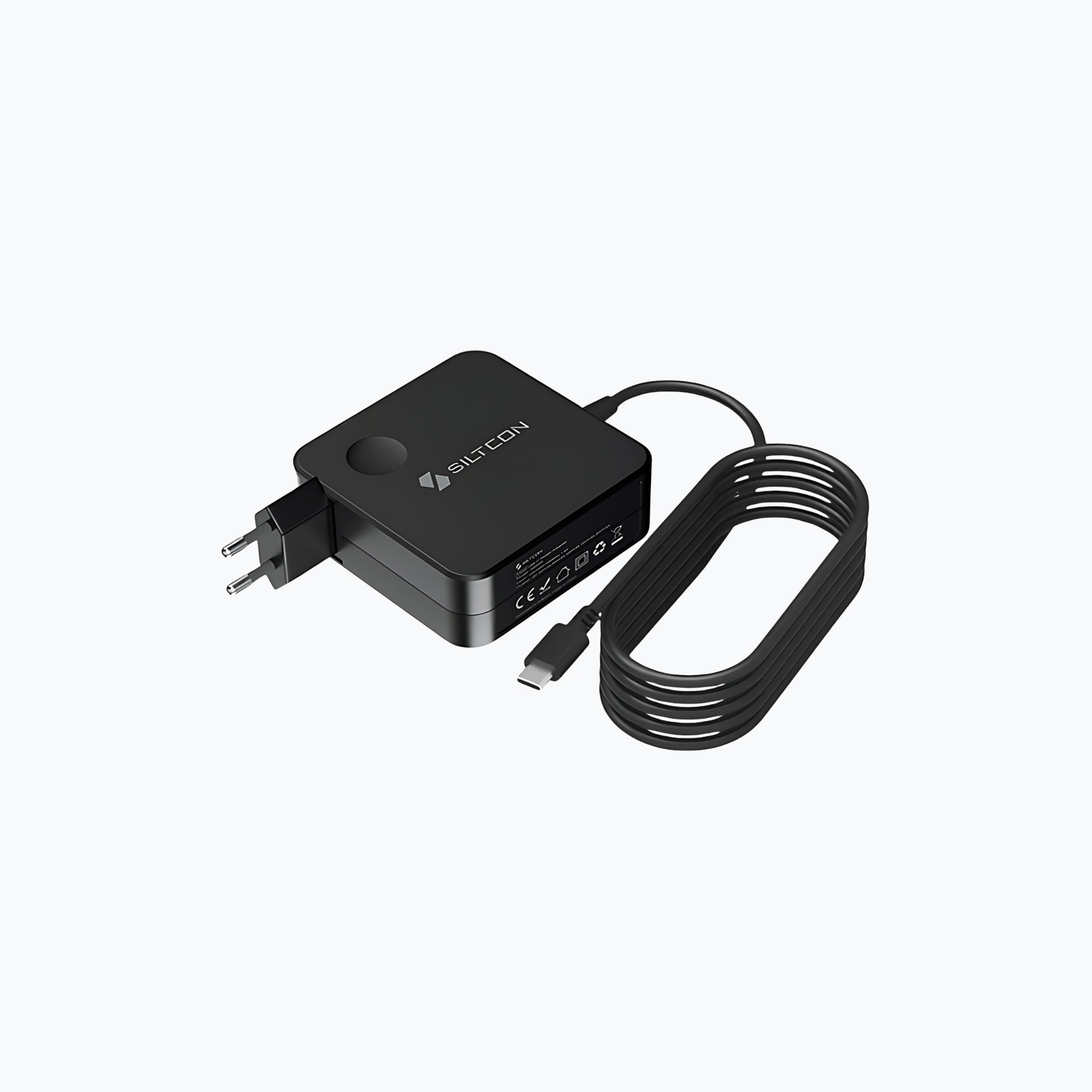
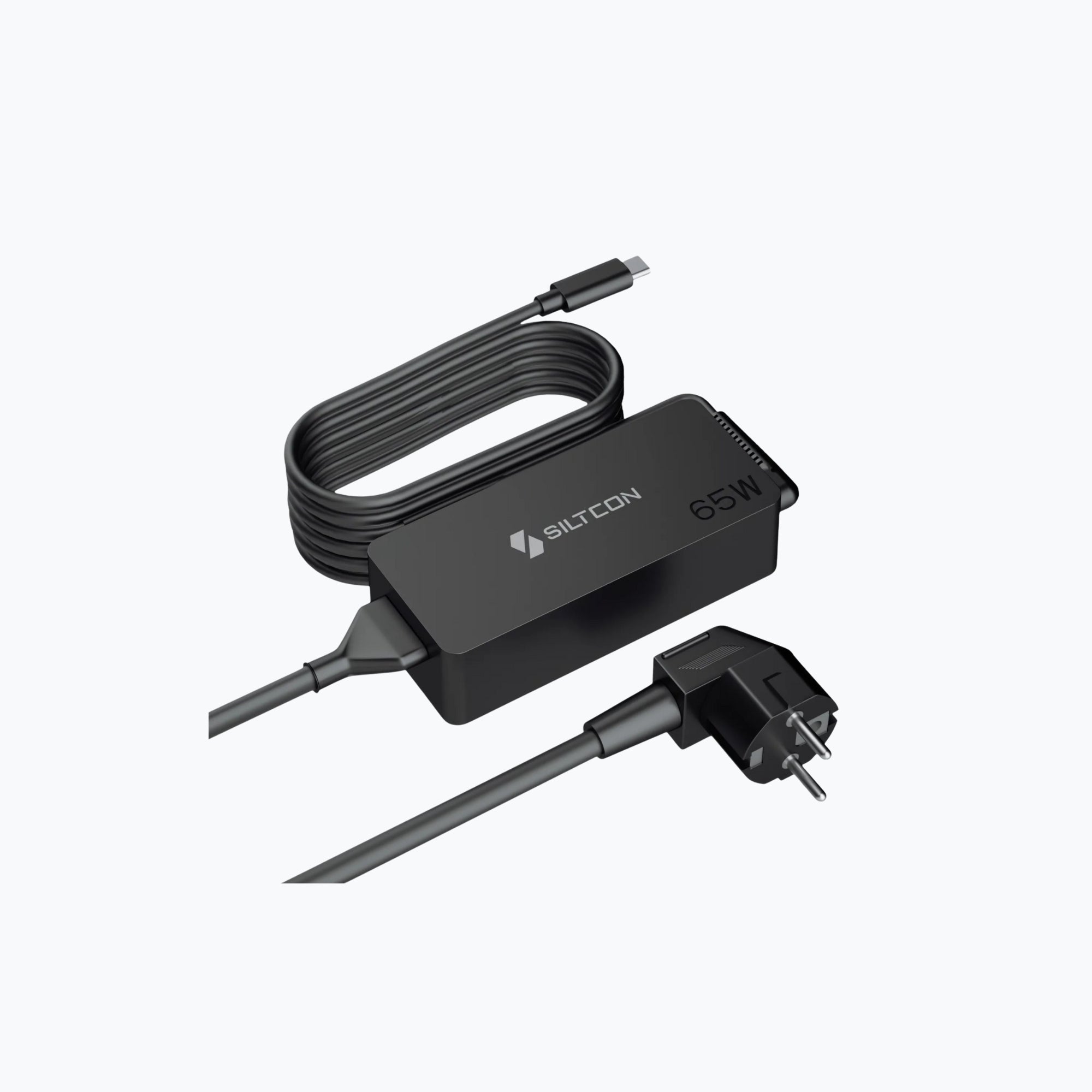
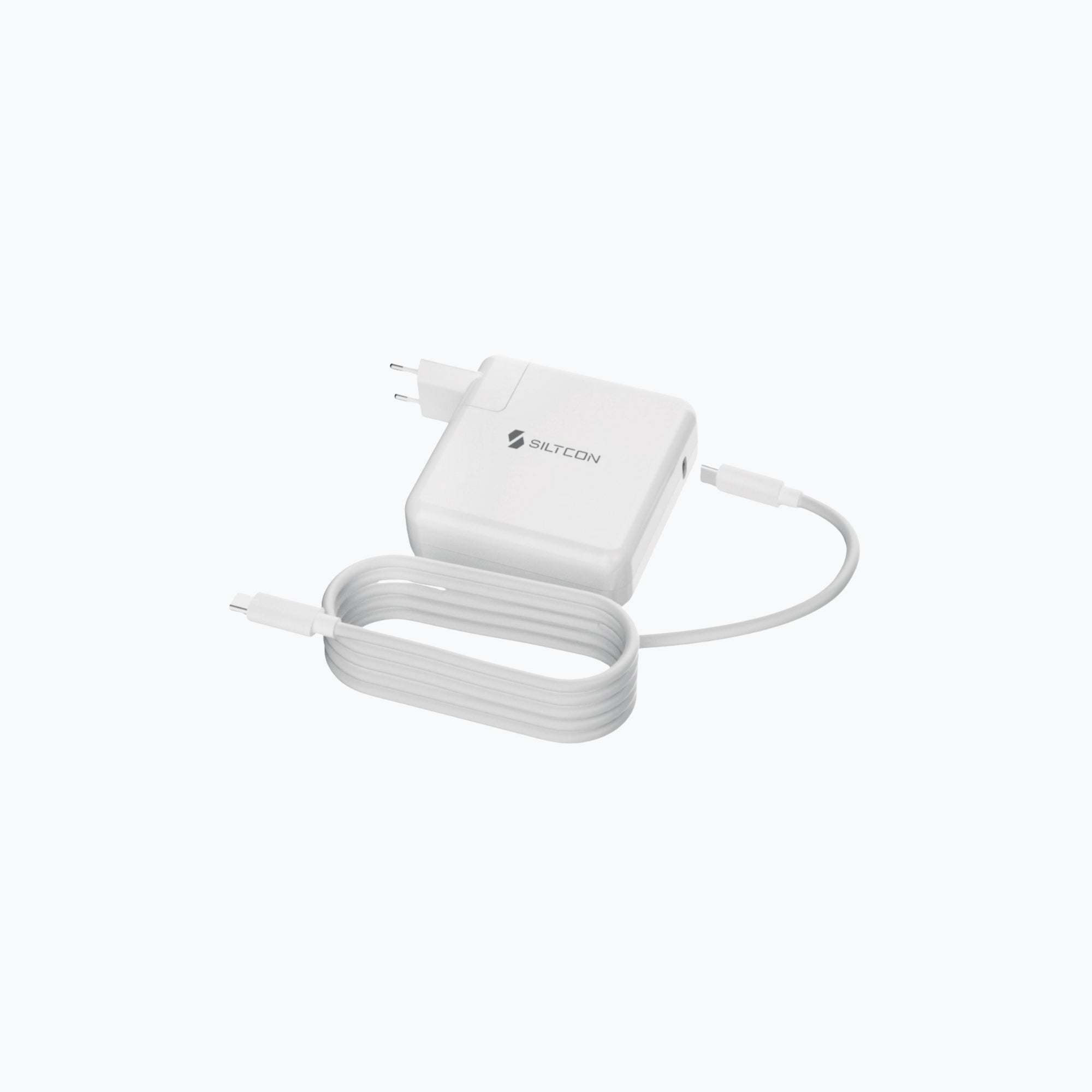
A good phone charger ensures you can get back on track quickly, without unnecessary waiting. With fast charging and a stable power supply, you can safely charge your smartphone at home or on the go. Siltcon phone chargers are compact, powerful, and compatible with various devices, so you always have a reliable solution at hand. Simple, efficient, and designed for everyday use.
Filters
10 products

10 frequently asked questions about our phone chargers.
1. Which charger suits my phone?
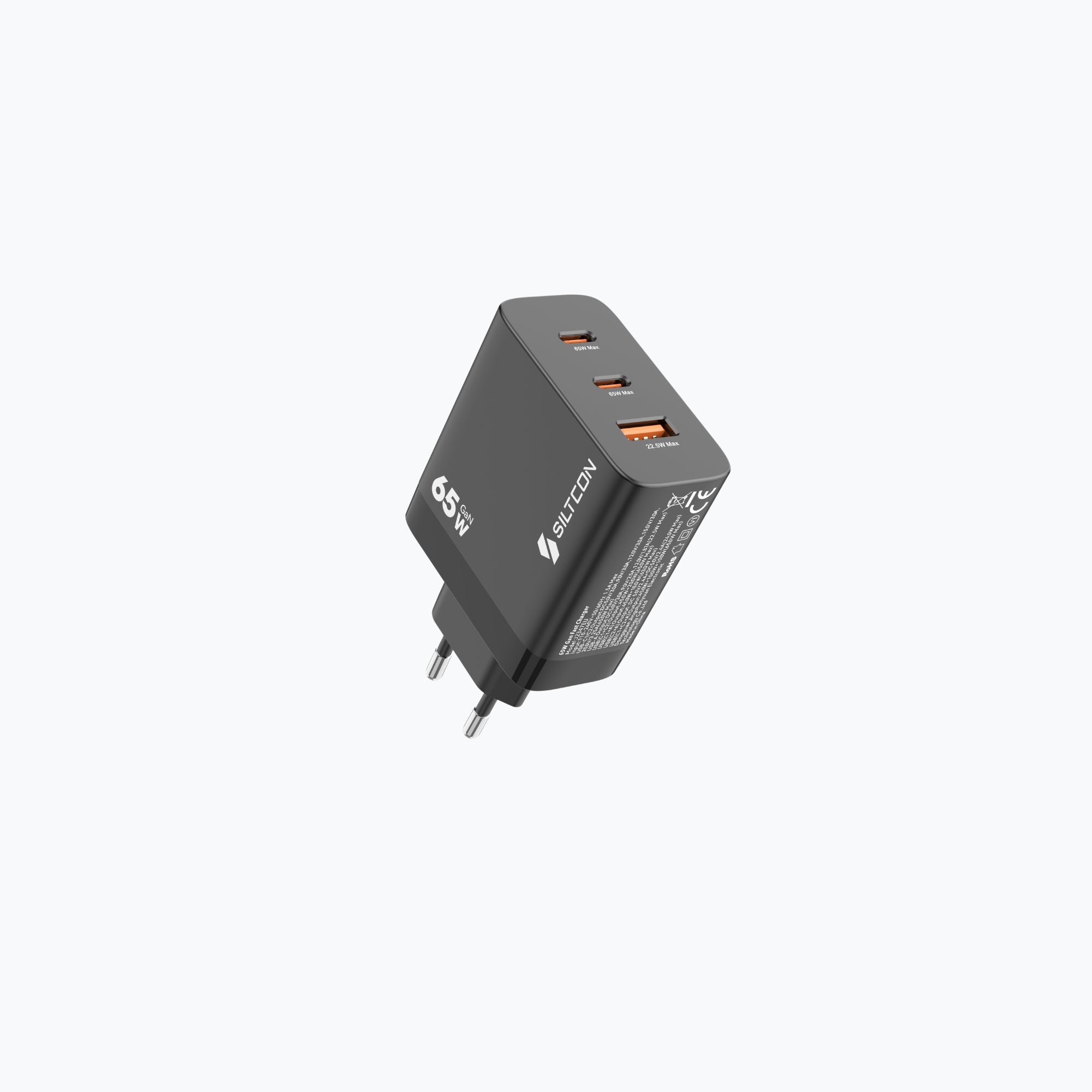
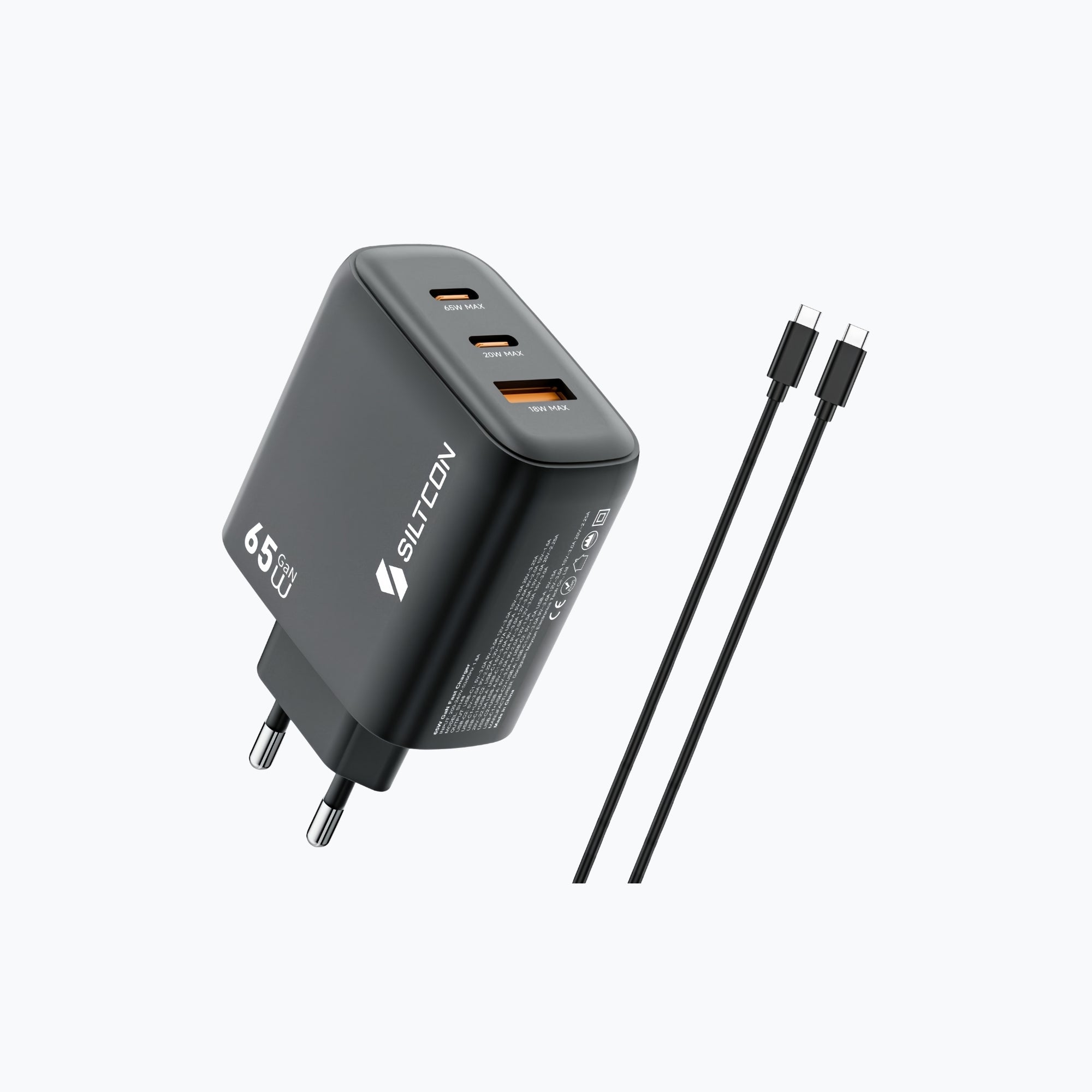
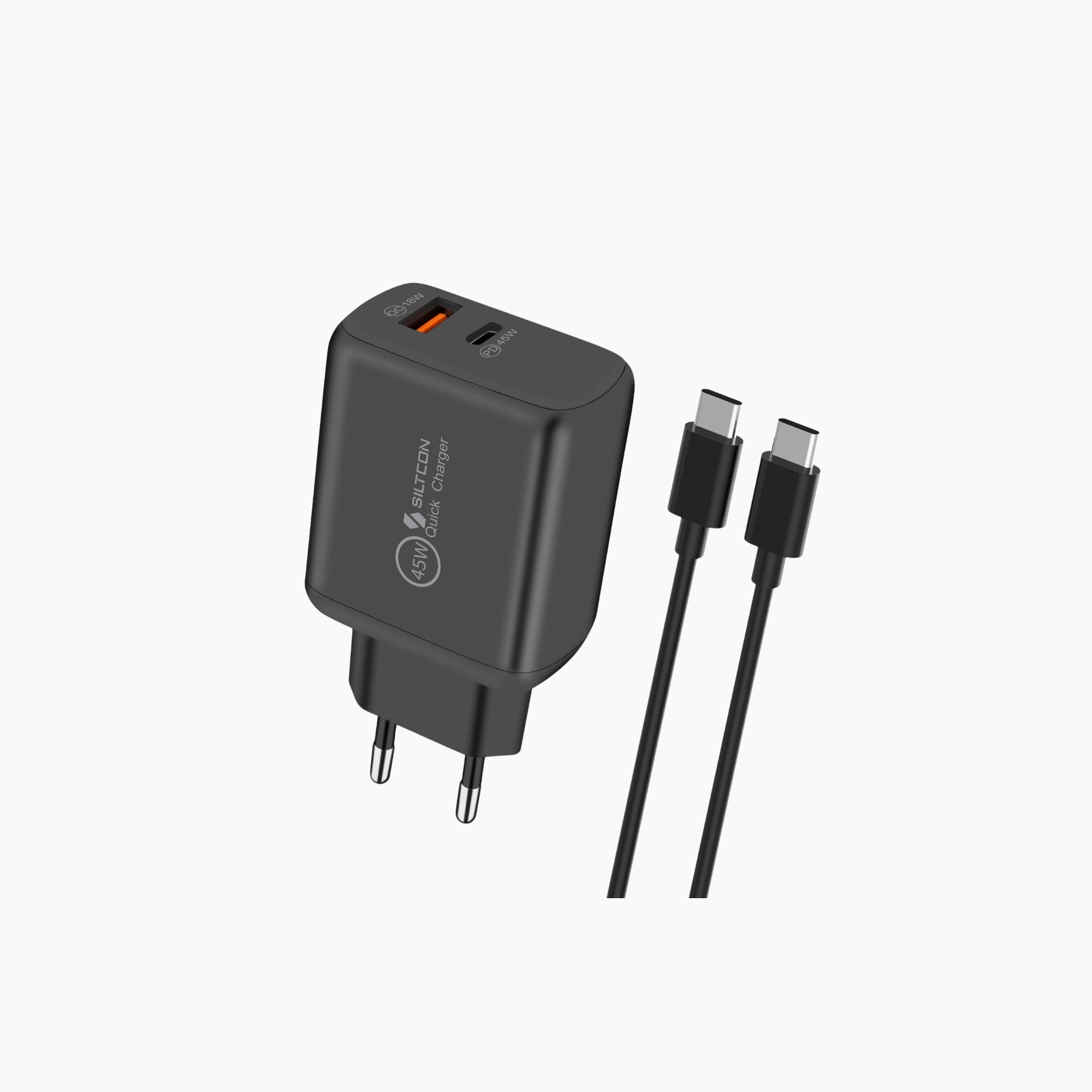
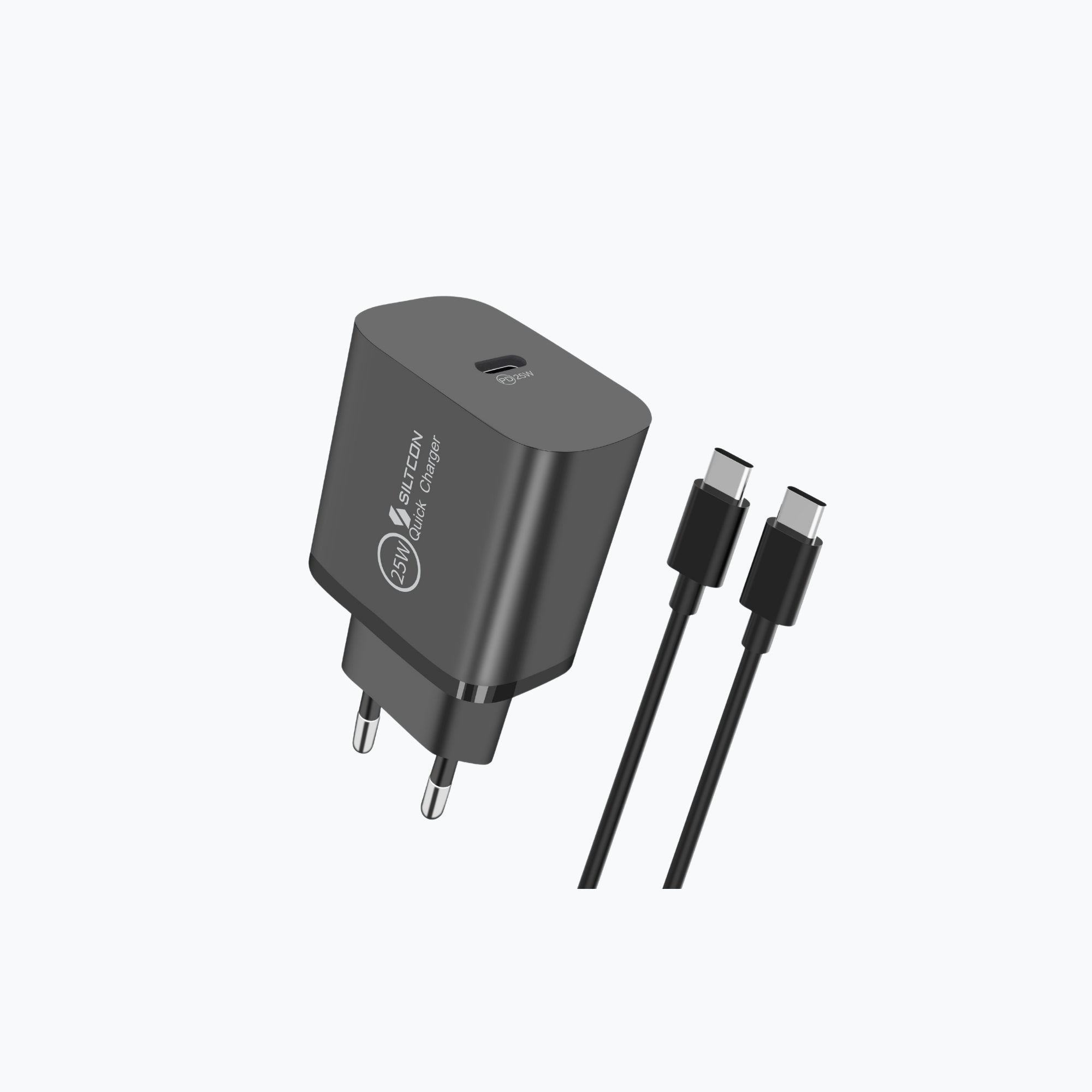
Start with how you use your phone. For most people, a 25W USB C fast charger is the nice basic: fast enough for daily charging and compact for home or work. If you have a larger phone, charge often in between, or want some extra margin, 45W is great because you can recharge faster when you have little time. If you want one charger that can also charge your tablet and possibly a light laptop, then you go for 65W or higher. The nice thing is that modern USB C chargers adapt to your device, so you don’t have to worry that “too many watts” will force your phone.
2. Isn’t 100W way too strong for a phone?
That sounds more intense than it is. A 100W USB C charger can deliver up to 100W, but your phone only takes what it supports. Think of it as a faucet that can give a lot of water, but your phone turns the faucet to the right level itself. The practical advantage is mainly convenience: one powerful charger for everything. You charge your phone quickly, your tablet too, and if you ever have a laptop with USB C, you can often power that as well. This is especially handy for people who want one fixed charger at home or in the office that is always “enough,” without thinking.
3. When do I choose 25W and when 45W?
Choose 25W if you mostly charge normally: at night, in the evening on the couch, or during work while your phone is next to you. You then have a fast, reliable charger without it being “overkill.” 45W is perfect if you often have short charging moments. Think of charging during breakfast, between appointments, or just before you leave the house. With 45W you usually get enough battery faster to get through the day. Many people find that 45W mainly provides comfort: less waiting and less stress when your battery is low.
4. Can I also charge a tablet with your phone chargers?
Yes, and that is actually a smart reason to choose a bit higher than you strictly need for your phone. Tablets often have a larger battery and appreciate some extra power. With 45W you’re usually good for tablets, and with 65W it’s really relaxed, especially if you use it intensively while charging. The advantage is that you don’t need two chargers. Many customers like having one charger in the living room that can handle both phone and tablet without hassle. Then you don’t have to search for which adapter is “the right one” and everything just works.
5. How do I know if my phone supports fast charging?
The simplest check is to look at your current charger or your device’s specifications. If your phone supports USB C fast charging, you’ll often see terms like “fast charging” or a specific wattage mentioned. But even without deep technical details, you can test it practically: if you get noticeably more percentage points within half an hour using a fast charger and a good cable, you’re good. It’s important that your phone, charger, and cable all support “fast charging” together. A powerful charger with an old or poor cable can still charge slowly. That’s why it’s smart to always use a solid USB C cable that matches fast charging.
6. What is Power Delivery and why is it important?
Power Delivery, often abbreviated as PD, is the smart charging standard within USB C. In plain language, this means your charger and device communicate and choose a safe, fast charging method together. That’s why you can charge multiple devices with one good USB C charger, from phone to tablet and sometimes laptop. PD is also important for safety because it helps deliver the correct voltage and current instead of “pushing blindly.” In your range, you see this reflected in the fast chargers with higher power outputs, designed to be widely usable without needing to switch chargers all the time.
7. Why does my phone sometimes charge slowly, even with a fast charger?
This is a question we see very often, and it usually isn’t due to just one thing but a combination. Many phones, for example, charge faster from 0 to 60 percent and then intentionally slow down to protect the battery. Heat also plays a role: if your phone is warm from navigation, gaming, or sun exposure, it sometimes reduces the charging speed. And very importantly: the cable. A lower-quality cable can limit fast charging. Dirt in your charging port can also cause poor contact. Tip: try a different cable and gently clean the port. That surprisingly often solves the problem.
8. Do I need a different charger for iPhone?
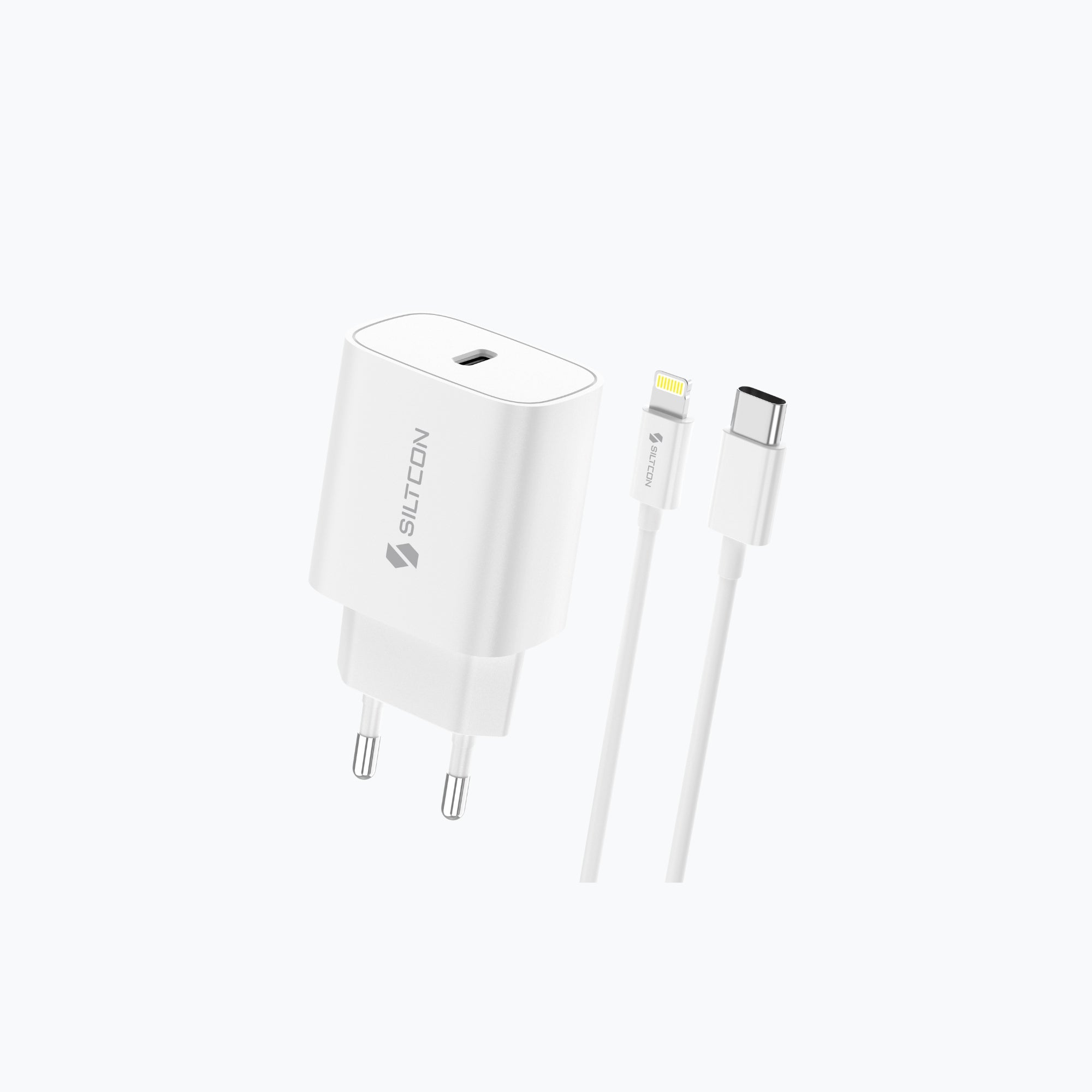
For iPhones, the connection is especially important. Newer iPhones still often use a Lightning connector on the phone side but can fast charge perfectly with a USB C adapter. That’s why combinations with a USB C to Lightning cable are popular. Your collection also includes an iPhone fast charger specifically aimed at the Lightning user, which is great if you want to be sure it "just fits" your iPhone setup. If you also want to charge other devices with USB C, it’s handy to choose a USB C fast charger and use the right cable for each device.
9. Is it better to have one powerful charger or multiple small ones?
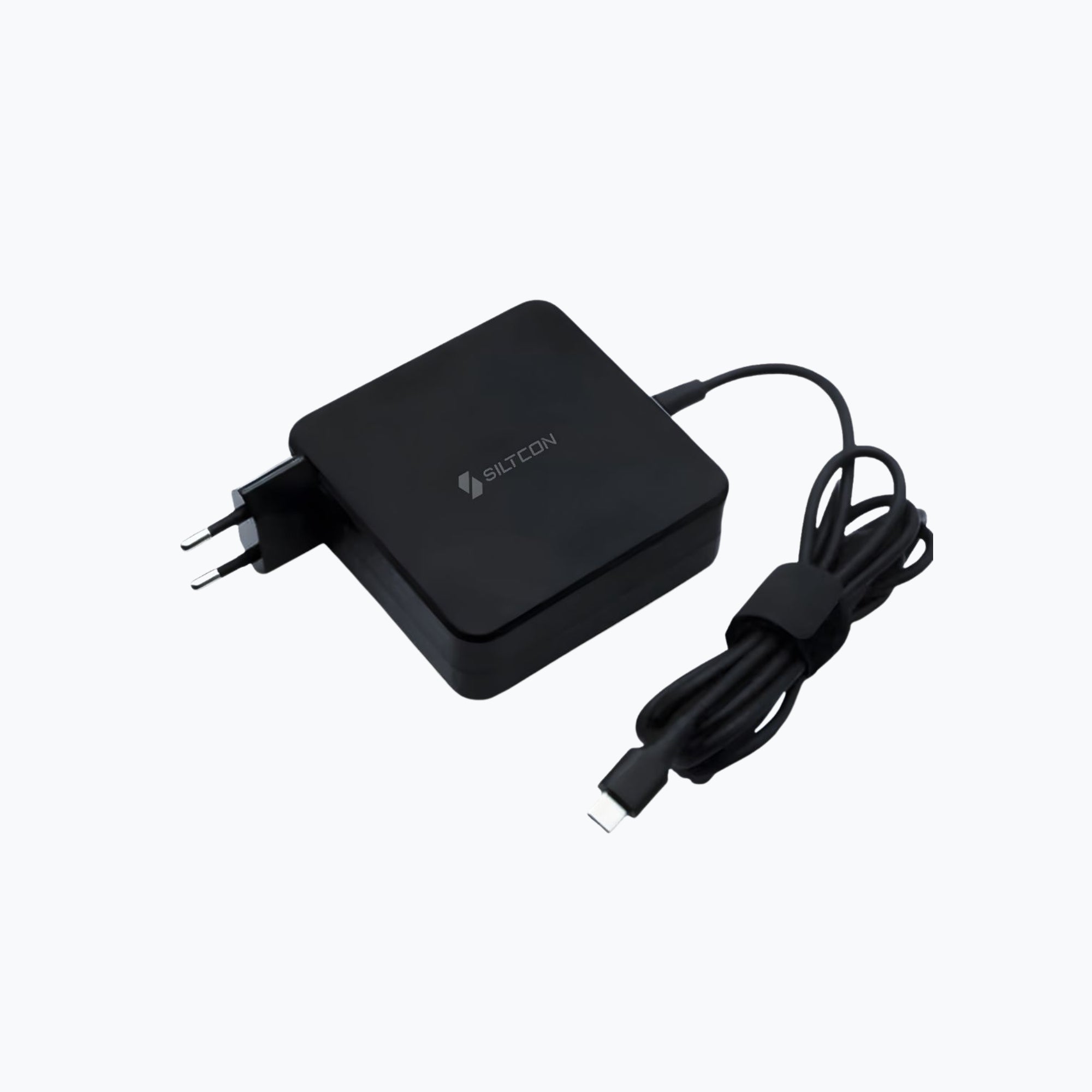
This depends on your lifestyle. One powerful charger like 65W, 96W, or 100W is ideal if you have one fixed spot where you charge everything, for example your desk or nightstand. You always have enough power and never have to doubt. Multiple smaller chargers, like 25W, are convenient if you charge in several places: one in the living room, one at work, one in your bag. Many people end up choosing a mix: a powerful "home base" and a compact charger for on the go. This way you get comfort and flexibility without cable stress.
10. What kind of assurance and service do I get with Siltcon?
When you buy a charger, you mainly want it to be reliable and safe to use. At Siltcon, you get that extra assurance: you have a 30-day return period, 2 years warranty, and free shipping within the Netherlands. If you order before 23:59, the goal is to have it delivered the next day. Additionally, your products meet European standards and come with CE certification and test certificates, which is important for chargers and fast chargers. That makes the difference between "just a charger" and a solution you can trust every day.
FAQ generator by MarketingCollega

Discover our story
Siltcon grew from a hobby into a close-knit team with one goal: making useful technology accessible to everyone.
Read moreTrusted by Our Partners